
A fresh exterior can make a home feel completely different before you even open the front door. But if you’re planning to repaint, the first question is often less about colour and more about cost: What will actually determine the price of my painting project?
The answer is rarely as simple as the house size. Two homes with similar square footage can require very different painting budgets. One may have smooth, well-maintained siding and easy access, while another may need extensive scraping, repairs, multiple coats, or specialized equipment.
For homeowners planning exterior painting in Victoria, BC, understanding these variables makes it easier to set realistic expectations and compare estimates properly. Victoria’s coastal environment also means exterior surfaces need assessment with moisture, weather exposure, and long-term durability in mind.
This guide breaks down the main factors that influence an exterior painting estimate, what homeowners should ask contractors about, and how thoughtful preparation can help you get better value from the project.
What Determines the Cost of an Exterior Painting Project?
Exterior painting is a combination of labour, materials, preparation, access, and project complexity. The final estimate reflects how much work is required to take the existing exterior from its current condition to the desired finished result.
A contractor will typically consider several variables before providing a quote.
- The major cost factors include:
- Overall surface area
- Condition of existing paint
- Exterior material
- Amount of preparation required
- Number of coats
- Paint and primer selection
- Height and accessibility
- Trim and architectural details
- Repairs required before painting
- Property protection and cleanup
This is why a professional assessment is more useful than relying on a generic cost-per-square-foot figure found online.
For homeowners comparing exterior home painters in Victoria, BC, a detailed quote should explain what is included rather than presenting one unexplained total.
How Does the Size of Your Home Affect Painting Costs?
The size of the property naturally affects the amount of paint, preparation, and labour required. However, square footage alone doesn’t tell the whole story.
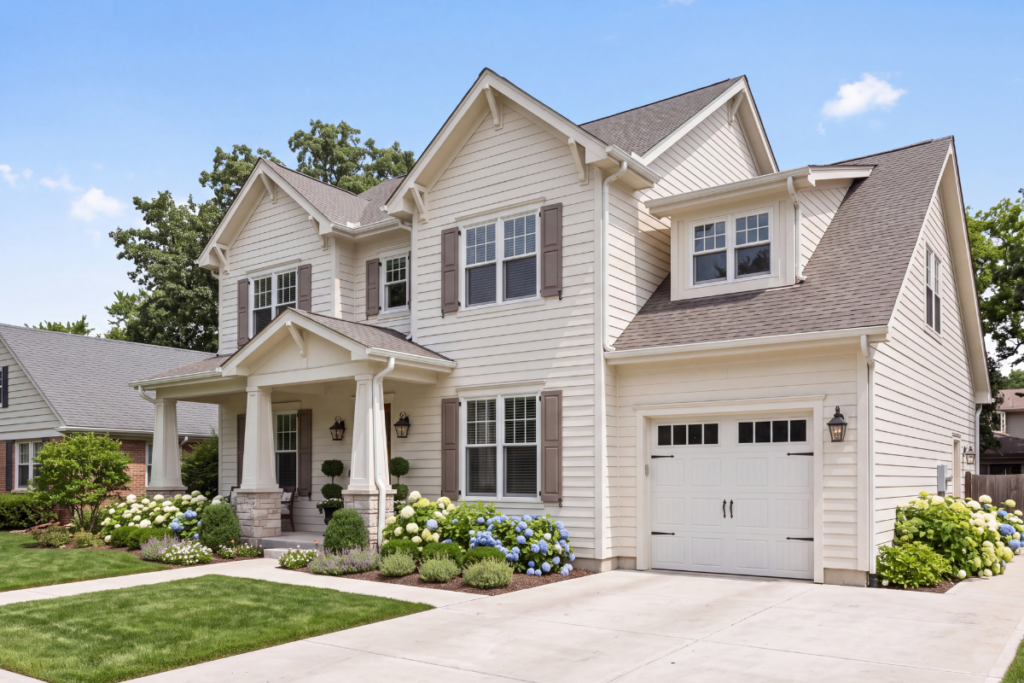
A compact two-story home with numerous windows, dormers, trim details, and hard-to-reach areas can take much longer than a larger home with a simple exterior layout.
The number of surfaces being painted also matters.
For example, your project might include:
- Main siding: The largest painted area on many residential properties.
- Trim: Window surrounds, fascia, soffits, corner boards, and other details require additional cutting and preparation.
- Doors and shutters: These smaller areas can require careful application and additional coats.
- Garage and accessory structures: Garages, sheds, and other structures may be included separately depending on the project scope.
When discussing exterior home painters, make sure the quote clearly identifies which surfaces are included.
Why Does Surface Condition Matter So Much?
One of the biggest differences between two exterior painting projects can be what’s underneath the existing paint.
A home with a sound, well-maintained coating may require relatively straightforward preparation. Another property may have peeling paint, cracked caulking, mildew, chalking, or damaged wood that needs attention before painting can begin.
Preparation takes time, but homeowners shouldn’t automatically look for shortcuts.
Common preparation requirements can include:
- Washing exterior surfaces
- Scraping loose paint
- Sanding rough edges
- Filling minor imperfections
- Replacing deteriorated caulking
- Priming exposed areas
- Addressing minor surface repairs
Proper preparation helps the new coating bond correctly and creates a more consistent finished appearance.
This is particularly important for house painting services in Victoria, where exterior surfaces can experience considerable moisture and seasonal weather exposure.
How Do Different Exterior Materials Affect the Estimate?
The material covering your home can influence both preparation and application.
Wood siding, fibre cement, stucco, engineered wood, metal surfaces, and previously painted masonry do not necessarily require the same approach.
- Wood
Wood may need extra attention if moisture, peeling coatings, or surface deterioration is present.
- Fibre cement
This material can offer a durable exterior surface, but the existing coating and condition still determine the preparation required.
- Stucco
Textured surfaces can take longer to coat evenly and may require products suited to the substrate.
- Previously painted surfaces
Consider the condition and type of existing coating before applying new paint.
A professional contractor should assess the actual surface rather than assuming the entire property can be treated using one standard method.
Does Accessibility Increase Exterior Painting Costs?
A house that is easy to access from ground level is generally simpler to paint than one with multiple stories, steep areas, tight side passages, or difficult rooflines.
Height is not simply a matter of inconvenience. It affects how painters safely reach surfaces and what equipment they may need.
Depending on the property, the project may involve ladders, specialized access equipment, scaffolding, or additional safety measures.
Accessibility can be affected by:
- Two- or three-storey elevations
- Steep slopes
- Narrow side yards
- Decks and patios
- Landscaping close to walls
- Rooflines and dormers
- Hard-to-reach upper trim
This is one reason an on-site assessment can provide a more accurate estimate than a quote based solely on photographs.
Consider safety and access as part of the project rather than unexpected additions later.
How Do Paint Quality and Number of Coats Affect Pricing?
Paint is one of the most visible parts of an exterior painting budget, but choosing the cheapest product does not necessarily provide the best value.
Exterior coatings need to withstand sunlight, moisture, temperature changes, and everyday environmental exposure. The appropriate product depends on the surface and the conditions it will face.
The number of coats can also affect the estimate.
A straightforward refresh using a similar colour may require a different approach from a dramatic colour change or a surface with inconsistent existing coverage.
Primer may also be recommended where bare surfaces, repairs, stains, or adhesion concerns require a suitable base.
- A good estimate should clarify:
- Which paint products are being proposed
- Whether primer is included
- How many coats are expected
- Whether additional coats could become necessary
- Which surfaces each product is intended for
This helps homeowners understand what they are actually receiving rather than comparing quotes based only on price.
What Additional Services Can Change the Project Scope?
An exterior repaint can reveal issues that weren’t obvious during the initial conversation.
For example, loose trim, damaged wood, deteriorated caulking, or surface deterioration may become apparent once the existing coating is inspected more closely.
Not every issue needs to be included in a standard painting project, but homeowners should understand how we’ll handle these discoveries.
Other optional areas can also expand the scope.
- You may choose to include:
- Front and garage doors
- Window trim
- Fascia and soffits
- Decks
- Fences
- Detached garages
- Decorative architectural features
The key is deciding which areas contribute to the result you want.
A focused project can sometimes deliver a significant visual improvement without repainting every exterior surface.
How Can Homeowners Estimate a Painting Project?
A basic preliminary estimate starts with identifying the total paintable area, but a reliable professional estimate needs considerably more information.
Start by considering the home’s approximate dimensions and the surfaces you want painted. Then account for windows, doors, trim, multiple levels, and other areas that affect labour.
After that, consider the condition of the existing coating.
A useful way to think about the calculation is:
Project scope = surface area + preparation + materials + labour + access + additional services.
This is not a substitute for a professional quote, but it helps explain why exterior painting prices can vary considerably between properties.
The best estimates are based on the actual property, not a generic formula.
What Should You Look for in an Exterior Painting Quote?
A professional quote should give you enough information to understand what you’re paying for.
Instead of focusing only on the final figure, review the details.
Check whether the estimate explains:
- Preparation: Does it describe cleaning, scraping, sanding, repairs, or priming?
- Surfaces: Are siding, trim, doors, fascia, and other areas clearly identified?
- Materials: Does it specify the type or quality of paint being proposed?
- Labour: Is the application process clearly described?
- Access: Are specialized equipment or difficult areas accounted for?
- Cleanup: Is the property going to be cleaned and returned to normal after completion?
- Potential extras: Does the contractor explain how they’ll handle unexpected repairs or additional work?
This level of transparency makes it easier to compare painting companies in Victoria, BC fairly.
A detailed quote may initially appear more expensive than a brief estimate, but the difference may simply reflect a more complete scope of work.
Why Choose Brilliant Brush Painting for Your Exterior Project?
The quality of an exterior painting project depends on more than the paint itself. Preparation, product selection, application, communication, and respect for the property all contribute to the final result.
Brilliant Brush Painting brings these elements together through a professional, homeowner-focused approach.
Our fully trained team understands that each property presents different challenges. Rather than treating every home as the same project, we plan the work around the property’s surfaces, access, condition, and the homeowner’s goals.
What homeowners can expect from our approach:
- Thorough preparation: We properly prepare surfaces before applying coatings, helping support a smoother, more durable finish.
- Quality materials: Our team uses quality painting products selected for performance and appearance.
- Minimal disruption: We organize projects carefully so homeowners can continue their routines with as little inconvenience as possible.
- Professional workmanship: Attention to detail helps create clean, consistent results across large exterior surfaces and smaller architectural features.
- Clear project planning: Understanding the scope before work begins gives homeowners greater confidence about what the project involves.
For homeowners searching for the best exterior painters in Victoria, the most useful measure isn’t a promotional claim. Look for a team that combines skilled workmanship, careful preparation, quality materials, and a process that respects your property.
That approach helps an exterior repaint become a worthwhile long-term improvement rather than a short-term cosmetic change.
Final Thoughts
Exterior painting costs depend on far more than the amount of paint required. The size and design of the property, surface condition, exterior materials, accessibility, preparation, product selection, and project scope can all affect the final estimate.
Understanding these factors puts homeowners in a stronger position when requesting quotes. Instead of asking only, “How much will it cost?”, you can ask the more useful question: “What does this estimate include, and what will it take to achieve the finish I want?”
A properly planned project can improve curb appeal while helping protect exterior surfaces for years to come.
Planning your home’s exterior refresh? Contact Brilliant Brush Painting for a detailed estimate and discover how careful preparation, quality materials, trained professionals, and minimal disruption can turn your home’s exterior into a finish you’re proud to come home to.
FAQs
How much does an exterior painting project cost?
Cost varies by property size, surface condition, material, access, preparation needs, paint selection, and project scope. An on-site assessment provides a more reliable estimate than a generic price range.
How to estimate a painting project?
Start by identifying the surfaces and approximate paintable area, then consider preparation, materials, labour, access, and additional repairs. A professional assessment is recommended because property-specific conditions can significantly change the final cost.
Does exterior painting include surface preparation?
Preparation varies by contractor and project, so confirm it in the quote. This can include cleaning, scraping, sanding, minor repairs, and priming.
Is it cheaper to paint the exterior myself?
DIY painting can reduce labour costs, but homeowners also need to account for equipment, materials, prep time, safety considerations, and the property’s complexity. Professional painting may provide better value when the project involves multiple storeys, extensive preparation, or difficult access.
How do I compare exterior painting quotes?
Compare the scope rather than just the final price. Look at preparation, surfaces included, materials, number of coats, access requirements, cleanup, warranty terms, and how potential additional work will be handled.