
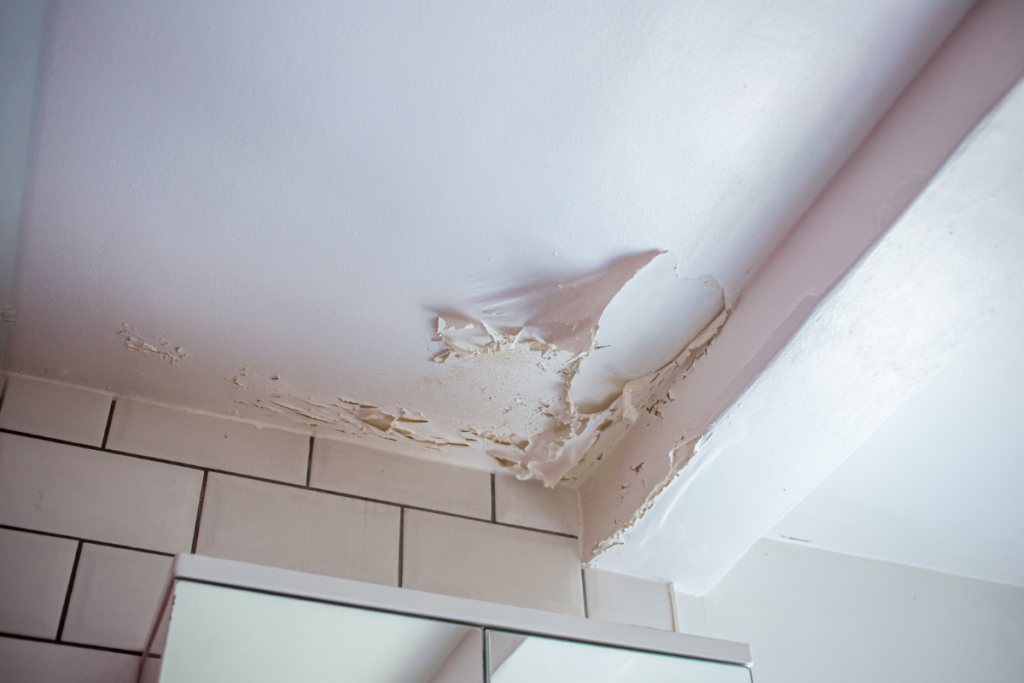
You repaint a bathroom wall, touch up a bedroom corner, or give your living room a fresh coat of colour. Everything looks great until winter arrives. A few weeks later, you notice paint lifting near a window, dark spots appearing in a corner, or a musty smell that wasn’t there before.
In Victoria, these problems can be particularly frustrating during the cooler, wetter months. Rainy weather, condensation, limited ventilation, and moisture entering through vulnerable parts of a home can all contribute to paint deterioration. However, peeling paint and mould are not simply winter-related cosmetic problems. They can indicate that something beneath the surface needs attention.
The good news is that you can often prevent recurring paint damage by identifying the cause before you repaint. From controlling indoor humidity to choosing suitable coatings and preparing walls correctly, a few informed decisions can help protect your home’s interior.
This guide explains why paint peels or develops mould during Victoria’s damp winters, how to recognize the warning signs, and what homeowners can do to achieve a cleaner, longer-lasting finish.
Why Does Interior Paint Peel During Victoria’s Damp Winters?
Paint needs a suitable surface to adhere properly. If moisture becomes trapped behind the coating, the bond between the paint and the wall can weaken, causing bubbles, cracks, or sections that eventually peel away.
Victoria’s winter weather can make existing moisture problems more noticeable. Rain and cooler outdoor temperatures may encourage homeowners to keep windows closed, while everyday activities add more moisture to the home.
Several factors can cause paint to peel.
- Condensation on cold walls and windows
When warm, humid indoor air meets a cold surface, moisture can condense. You may notice droplets on windows in the morning or damp patches around window frames.If nearby walls remain damp repeatedly, paint can begin to deteriorate, especially where the original surface preparation was inadequate.
- Poor ventilation
Bathrooms, kitchens, laundry rooms, and bedrooms can accumulate moisture through showering, cooking, washing clothes, and even breathing.Without adequate ventilation, that moisture may remain indoors longer than necessary. Over time, persistent dampness can affect painted surfaces and create conditions that support mould growth.
- Painting over a damp or poorly prepared surface
Fresh paint cannot reliably solve an underlying moisture problem.If you paint a wall before it has dried properly, or if you don’t remove loose paint and contaminants, the new coating may fail prematurely. Applying another coat over peeling paint can hide the problem temporarily without correcting the cause.
For homeowners planning house painting in Victoria, checking the underlying surface condition is as important as choosing the colour.
What Causes Mould to Appear on Painted Walls?
Mould can grow on painted surfaces when moisture remains, and conditions are right. It may appear as black, green, grey, or brown spotting, although appearance alone cannot reliably identify the type of mould.
Common locations include bathroom ceilings, corners behind furniture, window surrounds, and exterior-facing walls that remain cold during winter.
- Everyday moisture can contribute to the problem.
Indoor moisture comes from more sources than many homeowners realize. Showers, boiling water, indoor laundry drying, and cooking can all increase humidity.When that moisture cannot escape or isn’t adequately controlled, condensation may form on colder surfaces. Dust and other organic material on walls can also provide nutrients that support mould growth.
- Hidden leaks need attention, too
Not every damp patch is caused by condensation. Roof leaks, plumbing problems, failed window seals, and water entering through the building envelope can also damage painted surfaces.Pay attention to patterns that may indicate a more serious issue:
- Paint bubbling or peeling in one concentrated area.
- Damp patches that return after cleaning or repainting.
- Water staining near ceilings, windows, or plumbing fixtures.
- A persistent musty smell.
- Soft, swollen, or deteriorating wall materials.
If you see these signs, investigate the moisture source before arranging cosmetic repairs. Painting over an active leak or persistent dampness is unlikely to provide a lasting solution.
How Can You Tell Whether Peeling Paint or Mould Indicates a Moisture Problem?
The location and pattern of the damage can provide useful clues, although they cannot confirm the cause on their own.
For example, condensation-related problems may appear around windows, in colder corners, or behind furniture placed close to exterior walls. Damage beneath a ceiling stain or beside plumbing may point towards a leak that needs investigation.
Consider the following differences:
What you notice | Possible explanation | What to investigate |
Paint peeling around windows | Repeated condensation, water entry, or poor adhesion | Window seals, ventilation, and surface condition |
Dark spots in a bathroom | Persistent humidity or inadequate ventilation | Exhaust fan performance and moisture control |
Bubbling paint on a ceiling | Water intrusion or trapped moisture | Roof, plumbing, and ceiling condition |
Mould behind furniture | Limited airflow and a cold wall surface | Furniture placement, humidity, and possible dampness |
Repeated peeling after repainting | The original cause may remain unresolved | Moisture source, preparation, and coating compatibility |
The important point is not to assume every paint defect has the same cause. A correct diagnosis helps you decide whether the solution involves ventilation, repairs, surface preparation, or a combination of measures.
How Can You Stop Paint From Going Mouldy?
If you’re wondering how to stop paint from going mouldy, start by controlling moisture rather than immediately reaching for another tin of paint.
Mould-resistant coatings can help in the right places, but they can’t fix persistent condensation, leaks, or damp building materials.
- Improve ventilation where moisture builds up.
Use bathroom exhaust fans during showers and keep them running afterward, as the manufacturer recommends. In kitchens, use an exhaust fan that vents outdoors when cooking generates substantial moisture.Make sure ventilation equipment works effectively and that airflow isn’t obstructed.
- Keep indoor humidity under control
A hygrometer can help you monitor relative humidity inside your home. Health Canada generally recommends keeping indoor relative humidity around 30% to 50%, but suitable levels depend on outdoor conditions and the building.During damp weather, a dehumidifier may help if humidity remains high. However, it is also worth checking whether moisture is entering through a leak or another building defect.
- Allow air to circulate walls
Large furniture placed tightly against cold exterior walls can restrict airflow and, under certain conditions, encourage condensation.Leaving a small gap between furniture and the wall may improve circulation. This is especially worth considering in bedrooms, spare rooms, and areas where mould repeatedly appears behind wardrobes or bookcases.
- Address leaks and damp materials promptly
If you suspect water intrusion, arrange the necessary investigation and repairs before repainting. Wet materials may need professional assessment to determine whether drying, repair, or replacement is appropriate.Visible mould should be handled safely. Avoid dry brushing or sanding mouldy surfaces, as these activities can spread spores. Extensive mould, recurring growth, or mould associated with water-damaged building materials may require professional remediation.
Once you’ve addressed the moisture source and properly cleaned and dried the surface, you can consider repainting.
Which Paints and Finishes Work Best in Damp Indoor Spaces?
The right paint depends on the room, the surface, and the conditions it will face. A product suitable for a bedroom may not suit a bathroom ceiling or a kitchen wall that gets cleaned frequently.
For interior painting in Victoria, BC, choose products that account for moisture exposure, washability, surface condition, and the manufacturer’s recommendations.
- Choose coatings designed for the room
Bathrooms and kitchens often benefit from quality interior coatings designed to withstand routine cleaning and the conditions typical of those spaces.Some products include mould- or mildew-resistant additives. When used as directed, these can help resist growth on the painted surface, but they do not eliminate mould or prevent it from developing where moisture remains uncontrolled.
- Match the finish to the surface
Paint sheen affects both appearance and maintenance. Matte or flat finishes can help disguise minor surface imperfections but may be less washable, depending on the product.Eggshell and satin finishes balance appearance and cleanability for many interior walls.
People often choose semi-gloss finishes for trim and surfaces that need frequent cleaning.
These are general guidelines, not strict rules. Product formulations vary, so follow the manufacturer’s recommendations for each room and surface.
- Consider primer when the surface requires it
Stained, repaired, bare, or previously damaged surfaces may need a suitable primer before applying finish coats.Primer can support adhesion and create a consistent base, but it should not conceal active dampness or untreated mould.
Why Is Surface Preparation Essential Before Repainting?
When paint starts peeling, applying a fresh coat over the damaged area may seem like the quickest fix. Unfortunately, that approach can lead to the same problem returning.
Before repainting, assess the surface and address the cause of the failure. Preparation may involve removing loose paint, cleaning the surface, repairing imperfections, applying a suitable primer, and letting the area dry completely.
The exact process depends on the wall material and the type of damage.
For example, a small section of peeling paint caused by an old adhesion problem may require a different treatment from a wall affected by a persistent plumbing leak. Mould-contaminated materials may need specialized handling rather than routine painting preparation.
Thorough preparation helps the new coating adhere correctly and creates a smoother finish. Just as importantly, it reduces the risk of covering up a problem that should have been resolved first.
When Should You Call a Professional Interior Painter?
You may be able to manage small cosmetic damage once you identify and correct the cause. However, recurring peeling, extensive surface deterioration, or uncertainty about the underlying problem may warrant a professional assessment.
Consider speaking with a qualified contractor when:
- Paint keeps peeling despite previous repairs.
- Several rooms show similar deterioration.
- Walls need extensive scraping, patching, or priming.
- You need help selecting a suitable coating for different rooms.
- You want a consistent finish across a larger interior project.
Experienced interior home painters in Victoria, BC can assess painted surfaces, recommend preparation methods, and help you choose products that meet each room’s practical needs.
However, painting contractors are not a substitute for qualified mould remediation specialists or building professionals when the problem involves extensive mould, structural damage, or an unresolved water leak. Address those issues before starting cosmetic work.
How Brilliant Brush Painting Can Help Protect Your Interior Finishes
A successful interior repaint involves more than covering faded colour. The surface needs proper preparation, the coating must suit the room, and the work should be completed with care for the home and its occupants.
Brilliant Brush Painting provides residential interior painting services in Victoria, focusing on preparation, quality materials, professional workmanship, and attention to detail.
For homeowners dealing with deteriorating interior finishes, our approach offers several practical advantages.
- Preparation tailored to the surface: Instead of treating every wall the same way, we tailor preparation to the existing finish before we begin painting.
- Product recommendations for different rooms: Bedrooms, kitchens, bathrooms, and living areas have different requirements. We can discuss suitable paint options based on each space’s intended use, including low-VOC products where appropriate.
- A finish that complements the room: Careful application and attention to detail help create a consistent result across walls, ceilings, and trim.
- Consideration for the household: Organized work practices, protection of surrounding surfaces, and attention to cleanup help limit unnecessary disruption while the project is underway.
If you have recurring paint problems, identify and resolve any moisture issue before arranging a repaint. Once the surfaces are ready, our expert team can refresh your home’s interior with a professional finish tailored to its specific needs.
The Bottom Line
Peeling paint and mould during Victoria’s damp winters are frustrating, but another coat of paint rarely solves the whole problem. Moisture, condensation, ventilation, surface condition, and product selection all influence how well an interior finish performs.
Start by identifying why the damage appeared. Improve ventilation where needed, investigate leaks, safely address mould, and let affected surfaces dry before considering repairs or repainting.
With the underlying problem resolved and the right preparation in place, you can give your walls a fresh finish without repeating the same cycle of peeling and patching.
Ready to refresh your home’s interior? Contact Brilliant Brush Painting to discuss your painting project and achieve a clean, professionally finished space with the right preparation from the start.
FAQs
Why does interior paint peel during winter in Victoria?
Peeling can result from condensation, water intrusion, poor surface preparation, or inadequate adhesion. Identifying the source of moisture or coating failure is essential before repainting.
How can I prevent mould from growing on painted walls?
Control indoor humidity, improve ventilation, address leaks promptly, and keep air circulating colder walls. Mould-resistant paint may help in suitable areas, but it can’t replace moisture control.
Can I paint over mould or peeling paint?
No, not without first addressing the underlying problem. Handle mould safely, remove loose paint, repair damaged surfaces, and dry the area properly before repainting.
What type of paint is best for bathrooms in Victoria?
Choose a quality, bathroom-appropriate coating designed to withstand moisture and routine cleaning. Proper ventilation remains essential, even with mould-resistant paint.
When should I hire professional painters for peeling interior paint?
Consider professional help when damage keeps returning, multiple surfaces are affected, or extensive preparation is required. If you suspect a leak or extensive mould, have the right specialist address it before painting.