
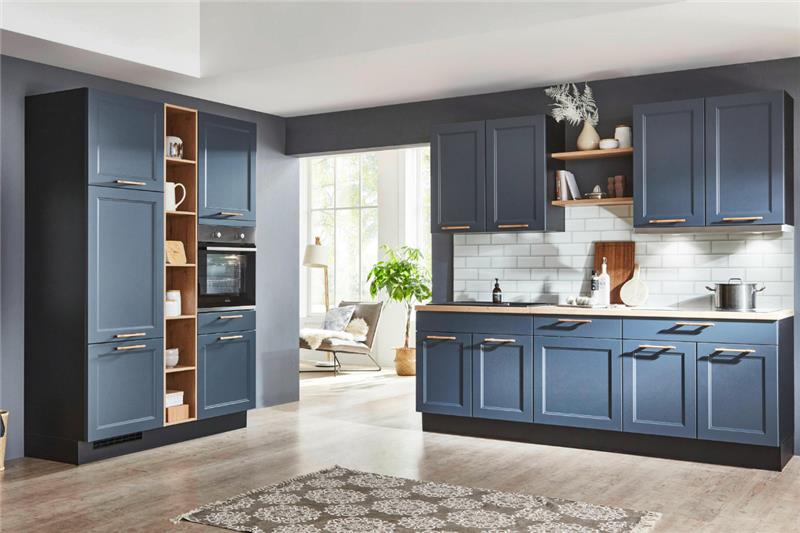
One of the most affordable methods to update your house and increase its value is to refinish your kitchen cabinets. This is especially true for Vancouver Island homeowners who want a beautiful, long-lasting finish that complements local designs. Whether you’re thinking about a subtle refresh or a complete colour transformation, knowing the professional refinishing sequence will help you set expectations, compare quotes from kitchen cabinet painting companies in Nanaimo, and make decisions that yield lasting results.
This guide walks you through each stage of the process, explains why each step matters in Nanaimo’s coastal climate, and shows what you can expect from experienced kitchen cabinet painting teams in Nanaimo.
Why Choose Refinishing Over Replacement
Refinishing keeps your existing cabinet boxes and structure while replacing the visual surface, saving you time, money, and waste compared with full replacements. It’s often less disruptive than a renovation. For a small portion of the price of new cabinetry, it may provide a brand-new appearance with contemporary colors, new hardware, and a factory-smooth surface. For many homeowners, this makes refinishing the wise choice for both budget and sustainability.
What to Expect Before Work Begins
A professional refinishing job starts with a clear plan:
- Initial inspection and quote: The contractor will review cabinet condition, door styles, and desired finish.
- Colour sampling: Test panels let you view the final colour under your kitchen’s light.
- Preparation and scheduling: You need to plan a timeline, a strategy for where doors will be worked on, and safeguards to prevent dust and disturbance.
This front-end planning avoids surprises and keeps the project on schedule.
Step-by-step Refinishing Process
Below is the typical sequence skilled kitchen cabinet painters in Nanaimo follow to achieve a durable, high-quality finish.
Step 1 – Remove doors, drawers, and hardware
Every door, drawer front, and handle is removed, labeled, and stored. Numbering prevents confusion at reassembly and ensures precision when reinstalling.
Step 2 – Deep clean and degrease
Kitchens collect grease and grime – especially around ranges. A thorough degreasing (with TSP or similar cleaners) is critical to ensure primers and paints adhere correctly.
Step 3 – Repair and fill imperfections
Cracks, dings, and old hinge marks are filled and sanded smooth. Addressing defects now prevents them from showing through the finish later.
Step 4 – Sanding
Surfaces are scuffed or sanded to create the mechanical “tooth” paint needs. Many professionals use dustless sanding systems with HEPA filtration to protect your home from fine particulates.
Step 5 – Priming for adhesion and stain blocking
A superior primer prevents stains and protects the substrate. This step is essential on raw wood, previously stained surfaces, or laminates that have been prepped for painting.
Step 6 – Fine finishing application (spray or brush)
Pros use controlled spraying for a factory-smooth finish; brush-and-roll can be used for specific profiles. A single thick coat is less effective than several thin coatings.
Step 7 – Controlled drying and curing
Curing time is critical – paint needs to harden fully before reassembly and daily use. Professionals monitor humidity and temperature to ensure optimal curing.
Step 8 – Reassembly and final quality inspection
Doors and hardware are reinstalled, adjustments are made, and a final walkthrough confirms even coverage, smooth edges, and working hardware.
Local considerations for Nanaimo (and nearby Victoria)
Nanaimo and Victoria’s coastal climate affects refinishing choices:
- Humidity: Higher moisture can extend drying times and affect adhesion; contractors often control indoor humidity or schedule work on drier days.
- Material aging: Older cabinets may need more prep or repairs – expect small surprises in older homes.
- Colour choices: Coastal light changes throughout the day; testing samples is crucial to avoid shade surprises.
These local realities make hiring an experienced local company for kitchen cabinet painting in Victoria, BC, a wise decision.
Drying, Curing, and Quality Checks
Drying is not the same as curing. Paint may feel dry to the touch within hours, but full mechanical strength can take days. Skilled crews allow appropriate re-coat and cure windows to avoid tackiness, fingerprints, or premature wear. They also perform touch-ups, edge-blend checks, and functionality tests on doors and drawers to deliver consistent, long-lasting results.
How Brilliant Brush Painting approaches cabinet refinishing
At Brilliant Brush Painting, our team follows a methodical, customer-first approach to cabinet refinishing. Our process emphasizes consistent artistry, careful preparation, and a finish engineered to last. We:
- Inspect and advise on the best finish and sheen for your lifestyle.
- Use industry-standard prep, dust-control sanding, and premium primers.
- Apply multi-coat finishing via controlled spraying for a factory-smooth look.
- Validate every project with a final quality inspection and customer walkthrough.
Our commitment to precision, top-tier quality, and customer satisfaction ensures a crisp, durable result that enhances your kitchen for years. We are pleased to serve Nanaimo, Victoria, and the other Vancouver Island cities.
The Bottom Line
Refinishing kitchen cabinets in Nanaimo is a practical, environmentally friendly way to modernize your kitchen without a complete renovation. When done correctly – through careful cleaning, thoughtful prep, quality primers, and controlled finishing – the results look professional and last for years. Hiring experienced local painters who understand coastal conditions and follow a disciplined process is the best way to protect your investment.
Ready for a kitchen that feels brand new? Book a free inspection today with Brilliant Brush Painting to get a tailored plan and durable finish that fits your style and schedule.
FAQ
Small projects can finish in 3–5 days; larger kitchens may need a week or more, depending on prep and curing times.
Yes – when painted with the right primers and commercial-grade topcoats, and when allowed to cure fully, painted cabinets withstand daily use for many years.
Many laminate and thermofoil surfaces can be refinished after proper scuffing, priming, and the use of compatible coatings. An experienced contractor will assess material compatibility first.
Dustless sanding significantly reduces cleanup and health risks from fine particulates; it’s a best practice for in-home projects, especially in occupied houses.